Centro Internacional María Montessori
  • INICIO
  • NUESTRA ESCUELA
    • Mision y Vision
    • Proyecto Educativo >
      • BILINGÜISMO
      • MUSICA
      • PSICOMOTRICIDAD Y DEPORTE
      • ORIENTACIÓN
      • BIBLIOTECA
    • ETAPAS EDUCATIVAS >
      • COMUNIDAD INFANTIL
      • CASA DE NIÑOS
      • TALLER
      • COMUNIDAD ADOLESCENTES
      • HORARIO LECTIVO
    • Equipo
    • ACREDITACIÓN
  • ADMISIONES
  • SERVICIOS
  • EXTRAESCOLARES
  • EMPLEO
  • BLOG
  • FAMILIAS CIMM
    • MATRICULACIÓN
    • PROCEDIMIENTOS
    • SOLICITUD RECOGIDA
    • IMÁGENES >
      • GENERALES
      • AMBIENTES >
        • COMUNIDAD INFANTIL
        • CASA DE NIÑOS
        • TALLER I
        • TALLER II
        • COMUNIDAD ADOLESCENTES
  • HOME
  • Our School
    • Mission and Vision
    • Educational Project >
      • BILINGUALISM
      • MUSIC
      • Psychomotricity and sports
      • EDUCATIONAL GUIDANCE
      • LIBRARY
    • EDUCATIONAL STAGES >
      • INFANT COMMUNITY
      • CHILDREN'S HOUSE
      • ELEMENTARY
      • ADOLESCENT COMMUNITY
      • SCHOOL HOUR
    • Team
    • ACCREDITATION
  • ADMISSIONS
  • SERVICES
  • EXTRACURRICULAR
  • CAREER
  • BLOG
  • CIMM FAMILIES
    • ENROLLMENT
    • PROCEDURES
    • PICK UP CONSENT FORM
    • PICTURES
STAGE OF

CHILDREN'S HOUSE

Let me do it by myself
The environment of Children's House (boys and girls from 3 to 5 years old) allows children to develop their autonomy, will, internal discipline, free choice, and, in general, to apprehend knowledge in a joyful and fluid way.
Characteristics and needs of this stage

At this stage, learning still takes place through the absorbent mind, but in a different way. While up to the age of three, Maria Montessori considers children to be "unconscious creators," between the ages of three and six, they become "conscious," thus being able to seek new experiences that allow them to improve the skills and abilities they have developed.

It is important that we support their physical independence, both in language and movement. Boys and girls are making great achievements with respect to their bodies and their environment, physically, emotionally, and socially.
​

In the Children's House stage, they give form and structure to the impressions and experiences they absorbed during the previous period. The brain works in an important way to learn and internalize experiences, knowledge, and sensations.
Foto
Foto
Foto
Foto
How we work in the environment
​
The Children's House environment is equipped with materials arranged in a concrete and precise order, similar to a home, and the work at this stage is divided into four main areas:

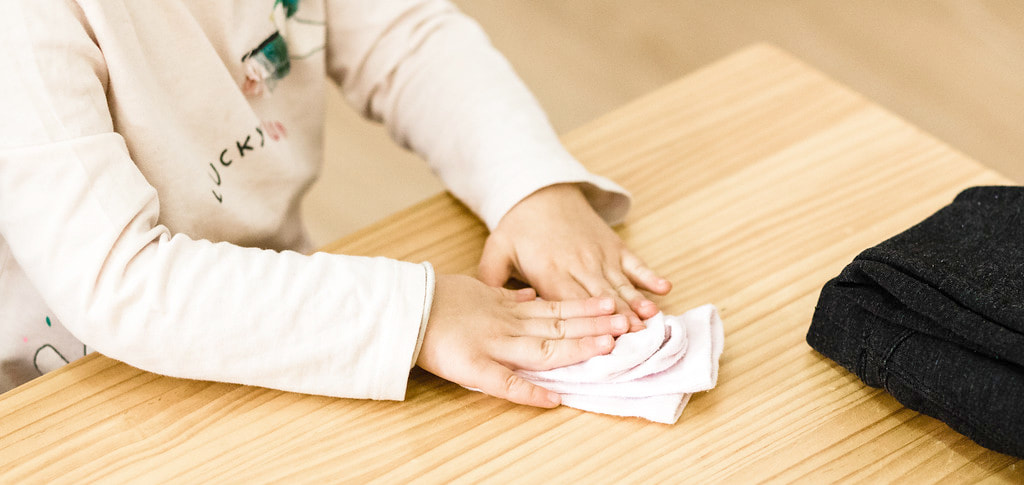
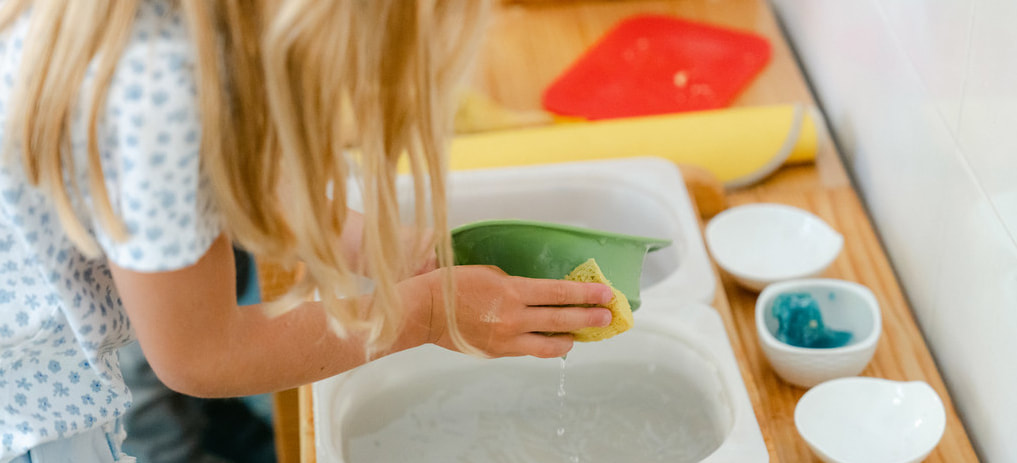
PRACTICAL LIFE

Activities aimed at self-care, taking care of others, and taking care of the physical environment. They include everyday tasks that are familiar to children and enhance their autonomy, coordination, and independence.

Foto
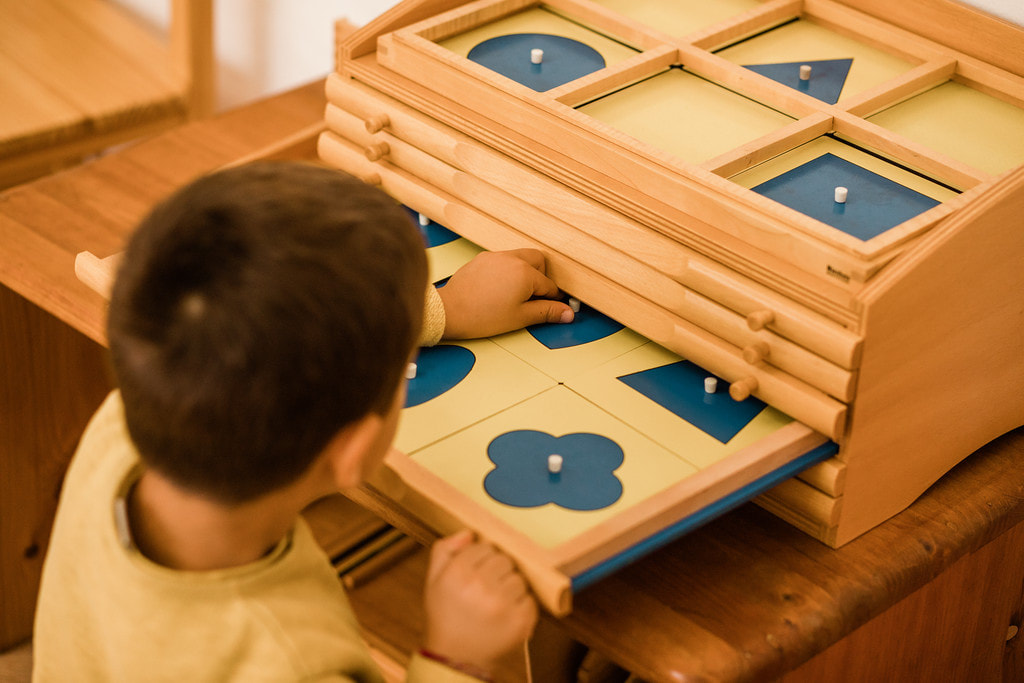
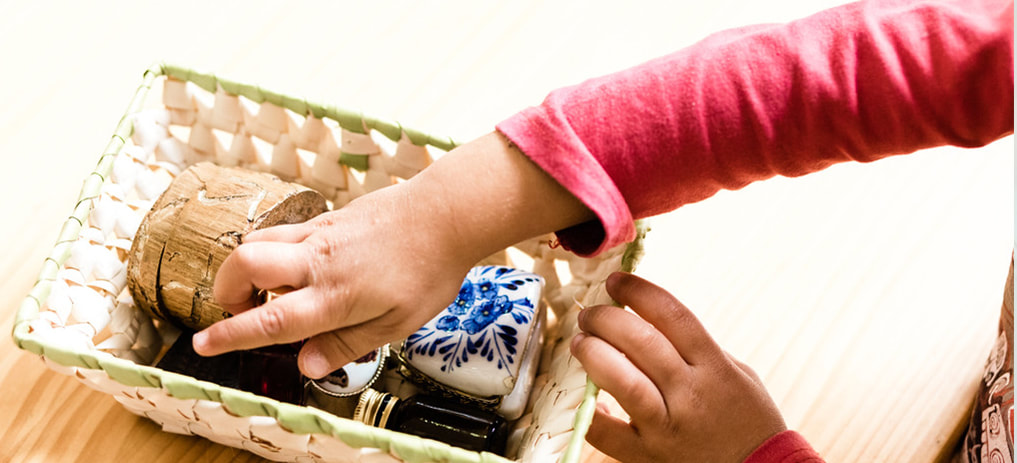
SENSORIAL

At this age, children learn through their senses. Each one of the sensory materials isolates a particular quality: smell, size, weight, texture, taste, color, etc.
These materials allow them to find order and meaning in the world, elevate their capacity for perception, promote observation, and foster a sense of admiration for everything around them.
Foto
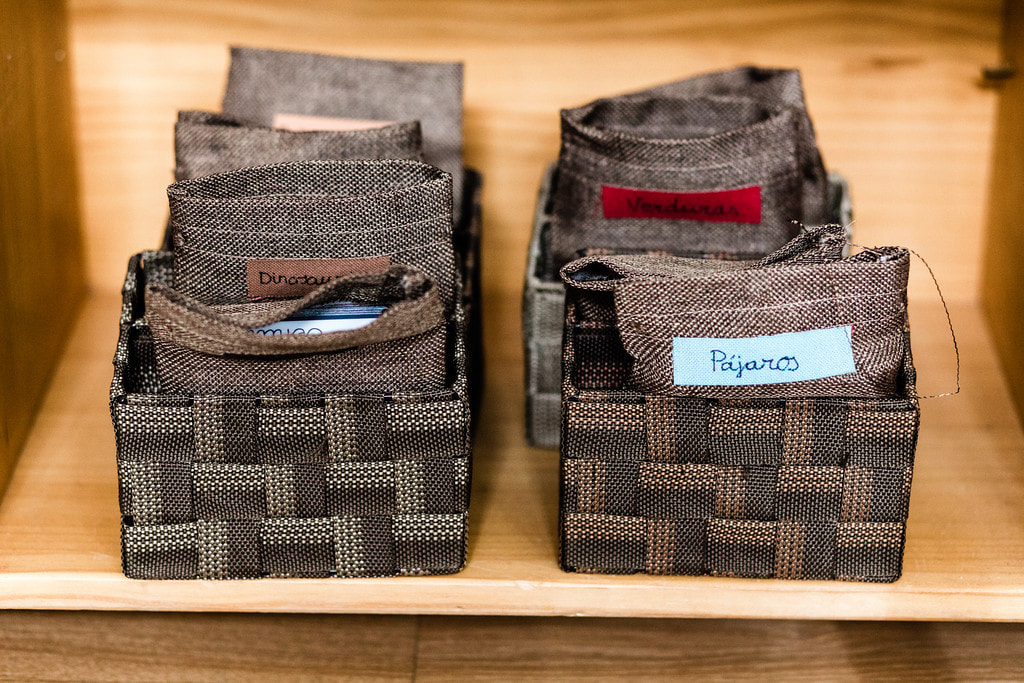
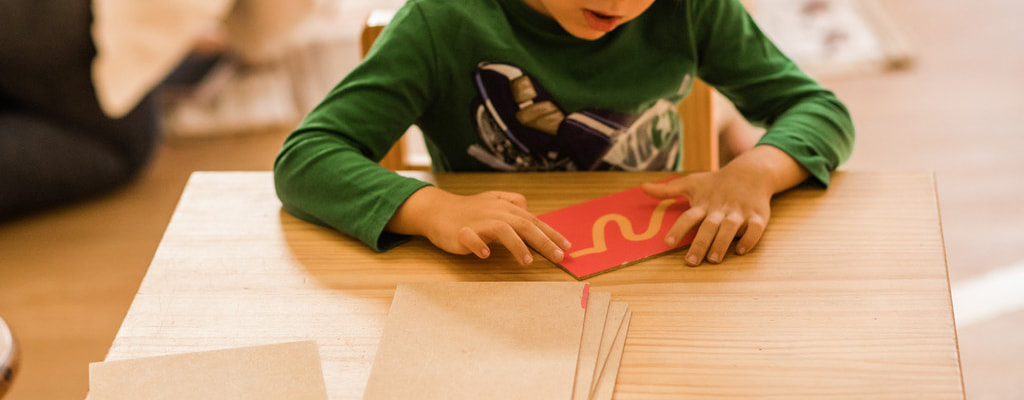
LANGUAGE

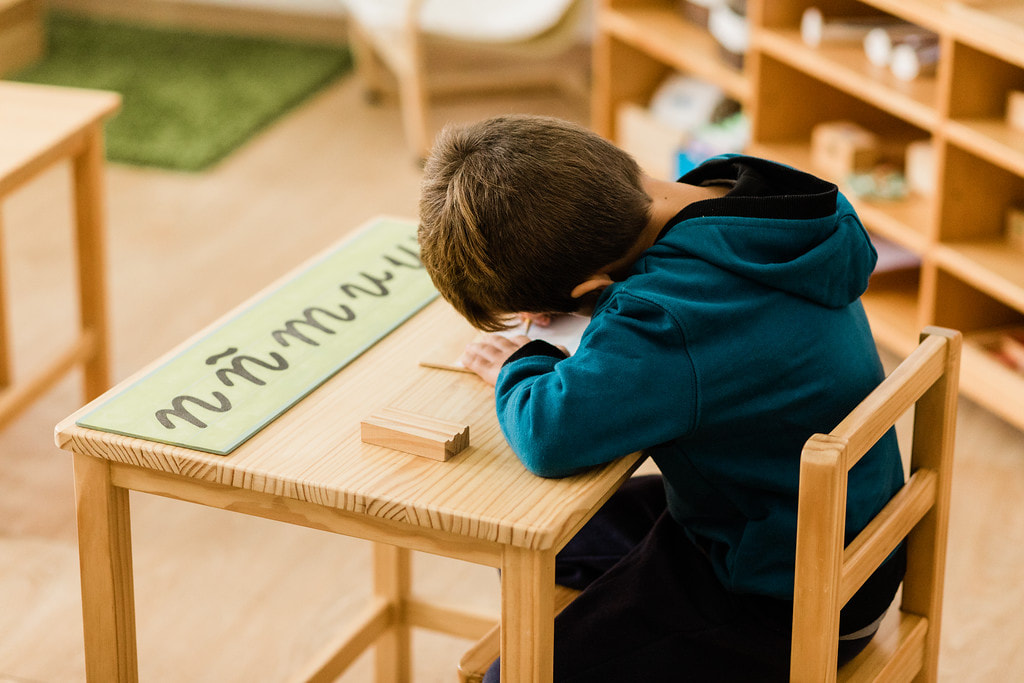
Girls and boys enrich the language already acquired, learn to write based on the senses (hearing, touch), and, as a natural consequence of this, learn to read. 

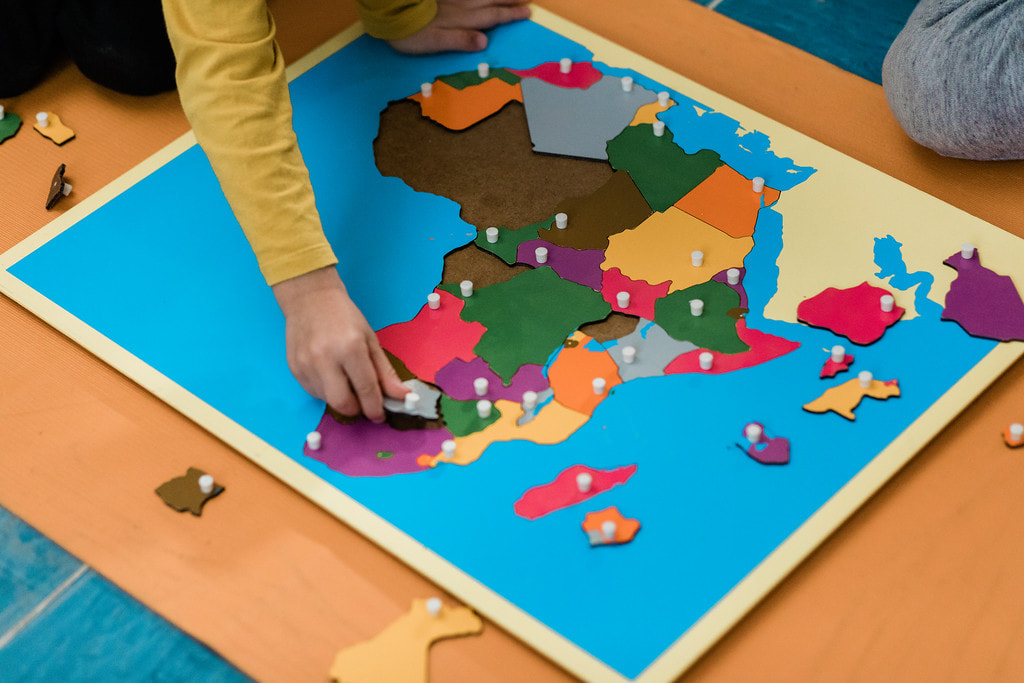
As an extension of language activities, they learn geography, history, art and music. These areas help them learn about the environment around them and awaken an awareness of their place in the world; it leads them to feel respect and love for their environment and creates a sense of solidarity with the entire human family and its habitat.
Foto
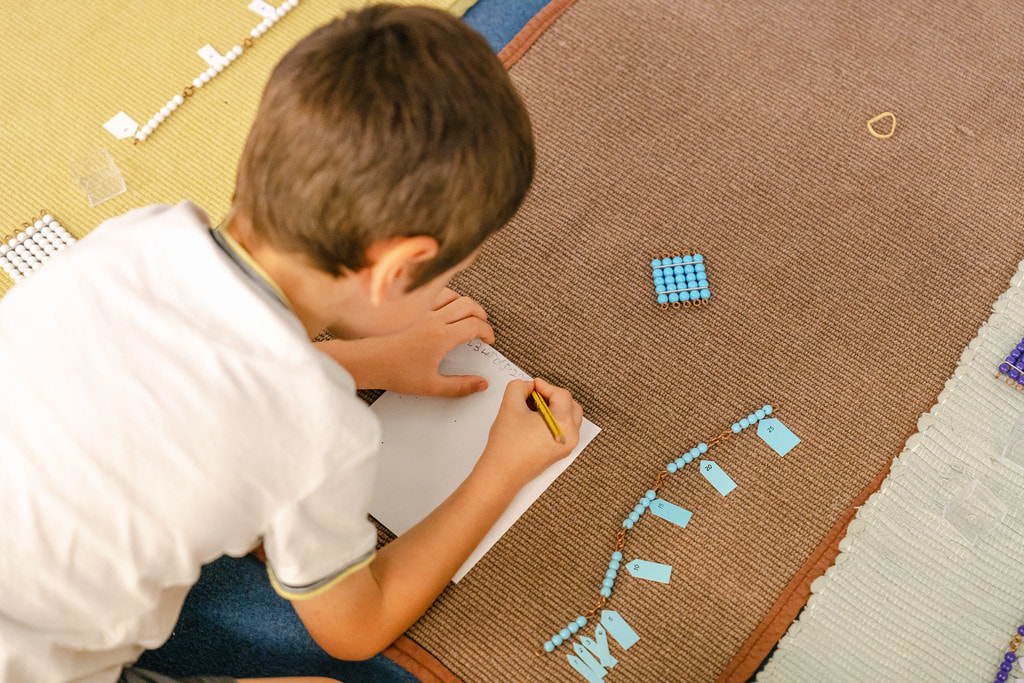
MATHEMATICS

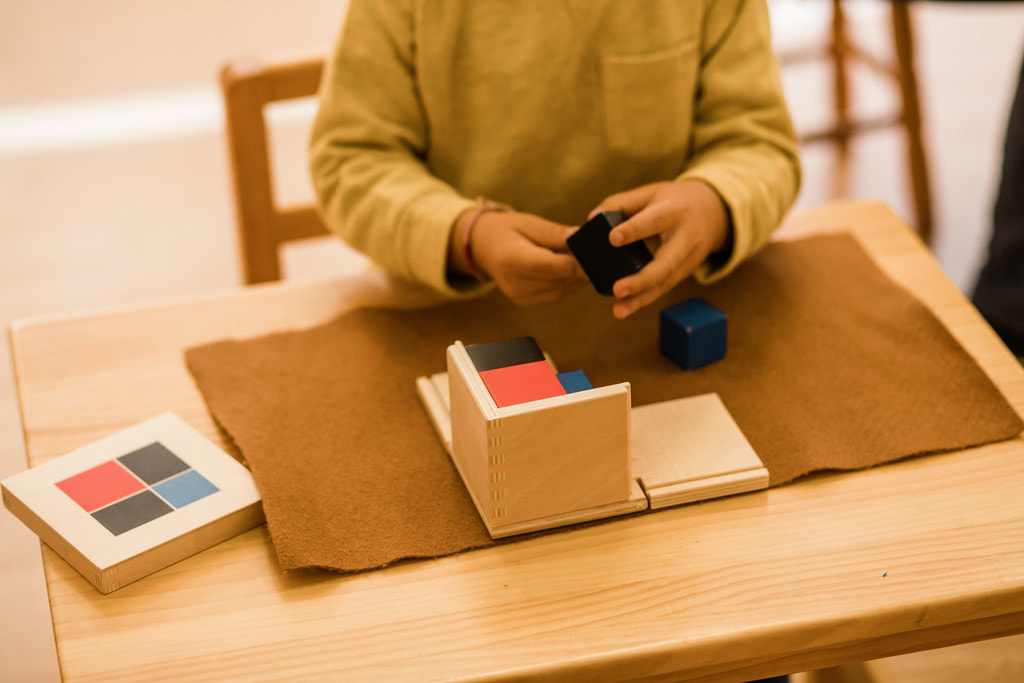
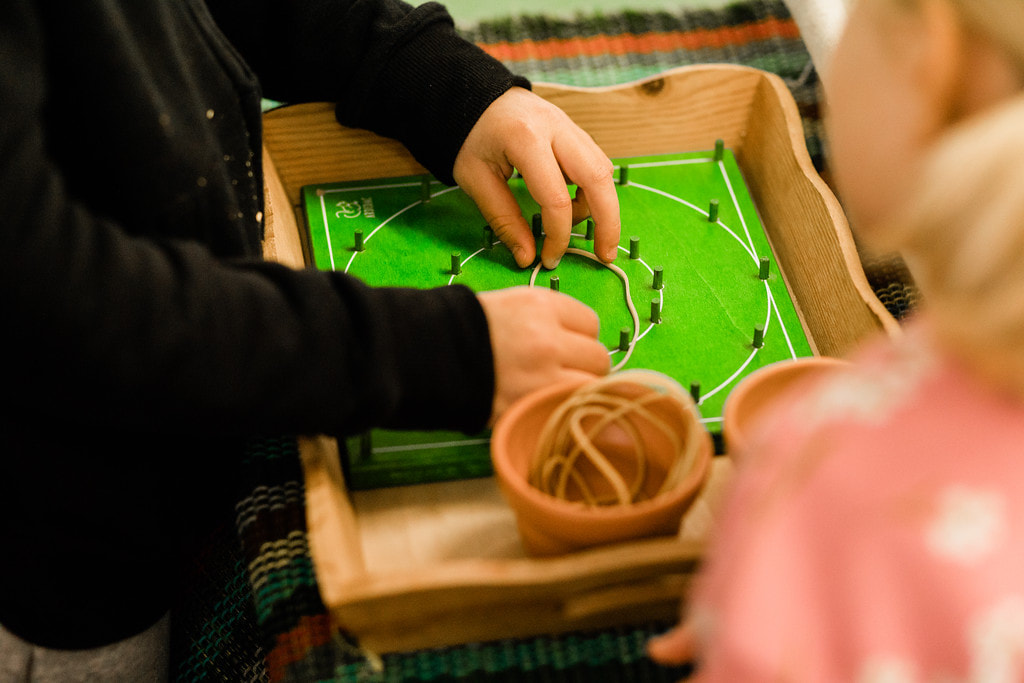
Montessori manipulative materials help children learn and understand mathematical concepts by working with concrete materials that lead them intuitively toward abstract concepts. They provide sensory impressions of numbers and lay the foundation for arithmetic and geometry.​
Foto
Foto
Characteristics at the end of this stage
​
At the end of the learning stage at Children's House, children have acquired coordination, control of movement, and experience in exploring the environment. They are also able to perform a task from start to finish and develop their will, self-discipline, ability to concentrate, and self-confidence.
Foto
Foto
“At three years of age, it is as if life began anew, for then consciousness manifests itself, complete and clear. These two periods, the unconscious period and the later period of conscious development, seem to be separated by a perfectly marked line. Possibility of conscious memory: in the first period, it does not exist; and when consciousness arises, we already have unity in the personality and, therefore, memory”.

​María Montessori
.© 2024 | Centro Internacional María Montessori.
C/ Godino, 3. 29009. Málaga
​
​Secretary
☎ 952 91 21 05
✉ [email protected]
08:00 to 16:00, Monday to Thursday
08:00 to 12:00, Friday

Administration
​
☎ 640 33 60 63
✉ [email protected]
09:00 to 16:00, Monday to Friday

Enrollment
✉ [email protected]

Work with us
✉ [email protected]
Privacy Policy (In Spanish)
Política de Cookies
Imagen
Licencia de Creative Commons
Esta Web y todo su contenido está bajo una licencia de Creative Commons Reconocimiento-NoComercial-SinObraDerivada 4.0 Internacional.
  • INICIO
  • NUESTRA ESCUELA
    • Mision y Vision
    • Proyecto Educativo >
      • BILINGÜISMO
      • MUSICA
      • PSICOMOTRICIDAD Y DEPORTE
      • ORIENTACIÓN
      • BIBLIOTECA
    • ETAPAS EDUCATIVAS >
      • COMUNIDAD INFANTIL
      • CASA DE NIÑOS
      • TALLER
      • COMUNIDAD ADOLESCENTES
      • HORARIO LECTIVO
    • Equipo
    • ACREDITACIÓN
  • ADMISIONES
  • SERVICIOS
  • EXTRAESCOLARES
  • EMPLEO
  • BLOG
  • FAMILIAS CIMM
    • MATRICULACIÓN
    • PROCEDIMIENTOS
    • SOLICITUD RECOGIDA
    • IMÁGENES >
      • GENERALES
      • AMBIENTES >
        • COMUNIDAD INFANTIL
        • CASA DE NIÑOS
        • TALLER I
        • TALLER II
        • COMUNIDAD ADOLESCENTES
  • HOME
  • Our School
    • Mission and Vision
    • Educational Project >
      • BILINGUALISM
      • MUSIC
      • Psychomotricity and sports
      • EDUCATIONAL GUIDANCE
      • LIBRARY
    • EDUCATIONAL STAGES >
      • INFANT COMMUNITY
      • CHILDREN'S HOUSE
      • ELEMENTARY
      • ADOLESCENT COMMUNITY
      • SCHOOL HOUR
    • Team
    • ACCREDITATION
  • ADMISSIONS
  • SERVICES
  • EXTRACURRICULAR
  • CAREER
  • BLOG
  • CIMM FAMILIES
    • ENROLLMENT
    • PROCEDURES
    • PICK UP CONSENT FORM
    • PICTURES